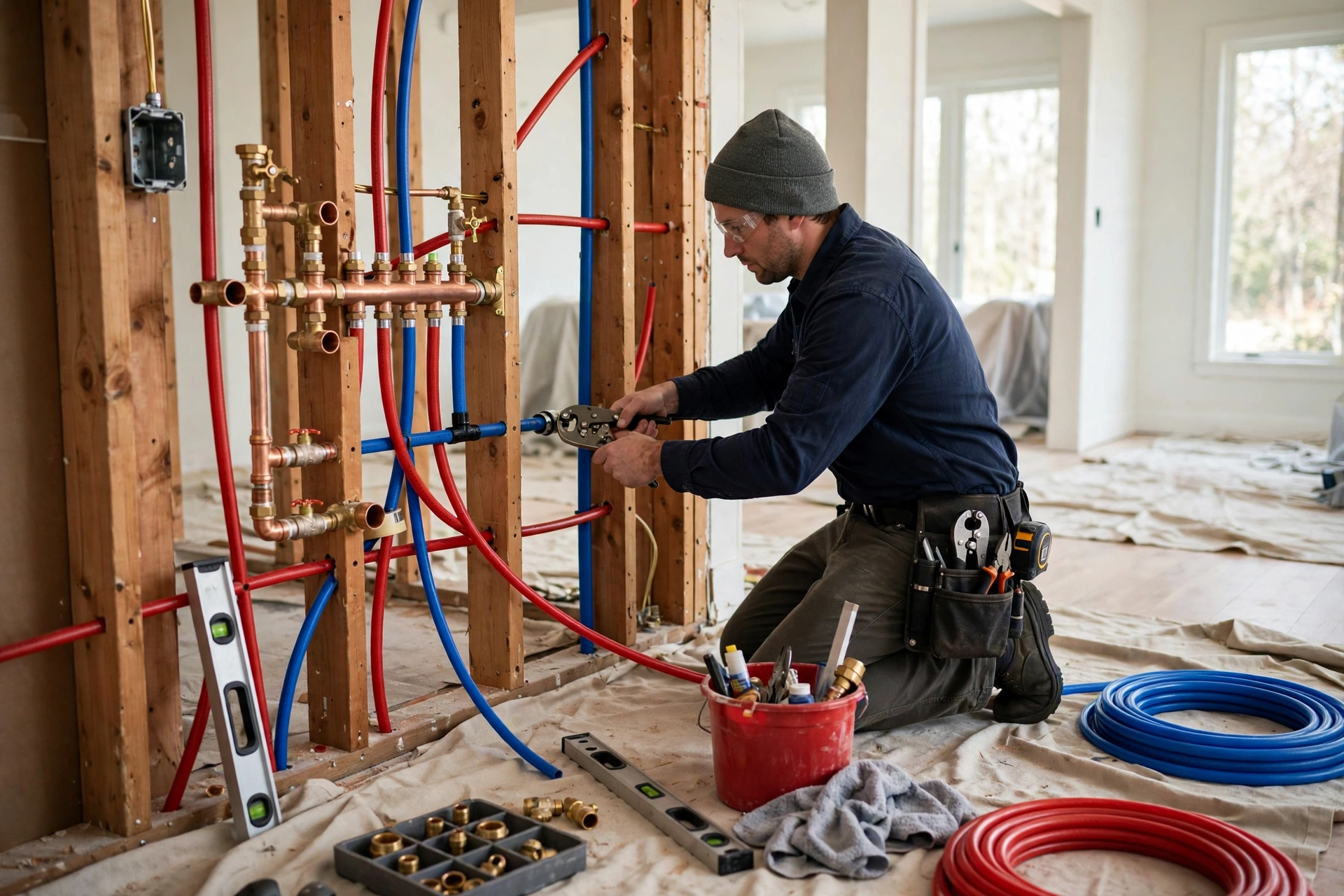
Whole-House Repipe: PEX vs Copper Cost Factors in Fairfield
A whole-house repipe replaces the water supply lines throughout a home. It is a major project, and the single biggest choice in it is material: PEX or copper. Both are widely used, both last for decades when installed correctly, and they differ in ways that matter for cost, installation, and daily use.
This post compares PEX and copper and explains the factors that shape the cost of a repipe in either material. It covers cost factors only. No dollar figures appear here, because the real number depends on the home and the factors below.
Why Homes Need a Repipe
Repipes are usually driven by aging supply lines. Galvanized steel pipes corrode from the inside, narrowing flow and discoloring water. Old copper can develop pinhole leaks. Polybutylene, used in some homes built in past decades, has a known failure history. The common symptoms are low pressure at multiple fixtures, rusty or discolored water, repeated pinhole leaks, and water that tastes metallic.
When leaks or pressure problems keep recurring across the home rather than at one fixture, replacing the system beats patching it one leak at a time. That is the point where a repipe conversation starts.
PEX: How It Works and Where It Shines
PEX is flexible plastic tubing, usually installed as a continuous run from a central manifold to each fixture. Its flexibility is its defining advantage: it can bend around corners without fittings, it can be fished through walls with fewer openings, and it expands slightly if water inside freezes, which reduces burst risk compared with rigid pipe.
PEX installations typically use a manifold system, sometimes called home-run plumbing. Each fixture gets its own dedicated line from the manifold. That design means shutting off one fixture does not shut off the whole home, and it can improve pressure consistency, since fixtures are not sharing a single trunk line.
PEX is not suitable everywhere. It is an indoor material in most applications, and it is not used for exposed outdoor runs or for connections directly at a water heater in some configurations, where a short rigid section is used instead. Those details are part of the installation plan.
Copper: How It Works and Where It Shines
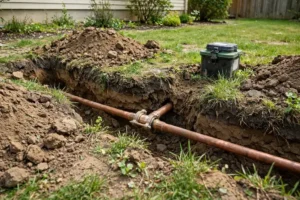
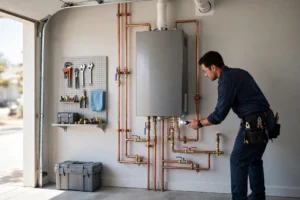
Copper is rigid metal pipe joined by soldering, and it has been the standard residential supply material for generations. It is durable, it resists UV exposure, it can be used outdoors and in exposed locations, and it has a long track record that plumbers and inspectors know well.
Copper’s rigidity is both a strength and a cost driver. Every change of direction needs a fitting and a soldered joint, and running rigid pipe through finished walls typically requires more openings than fishing flexible PEX. On the other hand, copper’s familiarity means any plumber can work on it later, and its exposed runs look neat in utility areas.
Side-by-Side Comparison
| Factor | PEX | Copper |
|---|---|---|
| Flexibility | Bends around corners, fewer fittings | Rigid, fitting at every turn |
| Typical layout | Manifold with home runs to fixtures | Trunk and branch layout |
| Wall openings | Fewer, since tubing fishes through | More, since rigid lengths need access |
| Freeze behavior | Expands slightly, lower burst risk | Can burst if water freezes inside |
| Outdoor and exposed use | Generally indoor only | Suitable for exposed runs |
| Water taste | Neutral for most users | Neutral, familiar taste profile |
| Future work | Needs PEX-compatible fittings | Workable by any plumber with standard tools |
Cost Factor 1: Material Cost
Material is the most visible difference between the two options. Copper is a commodity metal, and its price moves with the metals market. PEX tubing and its fittings are manufactured plastic products with more stable pricing. In most homes, the raw material for a copper repipe costs more than the raw material for a PEX repipe, sometimes substantially.
Material cost is only part of the total, though. Fittings count matters too. A copper system needs many fittings, and each fitting adds material and labor. A PEX manifold system needs the manifold itself plus fittings at each end, but far fewer joints along the run. Counting fittings, not just feet of pipe, gives a fairer material comparison.
Cost Factor 2: Labor and Installation Time
Labor often outweighs material in a repipe, and here PEX usually has the edge. Flexible tubing fishes through walls and ceilings faster than rigid pipe, which must be cut, fitted, and soldered section by section. Fewer wall openings also mean less patching and painting afterward, which is a real cost that shows up in the total project even though it is not plumbing labor.
Copper installation takes longer per foot, and soldering adds a skill and safety dimension: open flame near framing requires care and fire precautions. In a home with difficult access, such as a low crawl space or a slab foundation with limited routing options, the labor difference between the two materials grows.
Cost Factor 3: Home Size and Fixture Count
Every fixture adds pipe length, fittings, and labor. A two-bathroom home and a four-bathroom home with a laundry room, kitchen, and outdoor hose bibbs are different projects. Fixture count drives the number of home runs in a PEX manifold system and the number of branches in a copper trunk system alike.
Home layout matters as much as fixture count. A compact single-story home with fixtures clustered near each other repipes faster than a sprawling two-story home with fixtures at opposite ends. Distance between the water main entry, the water heater, and the farthest fixture sets the total pipe length.
Cost Factor 4: Access and Wall Repair
Access determines how much of the home is opened up. PEX can often be fished with modest openings, while copper usually needs larger or more frequent openings. The cost of patching drywall, repainting, and restoring finishes belongs in the project total, and it varies with the home’s finishes. A home with simple painted drywall restores more cheaply than one with tile, plaster, or custom finishes in the work areas.
Attic and crawl space access also matter. A clean, accessible crawl space speeds work. A cramped or obstructed one slows it, regardless of material.
Cost Factor 5: Water Heater and Main Connections
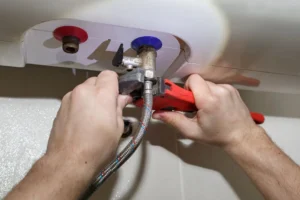
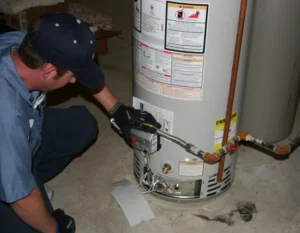
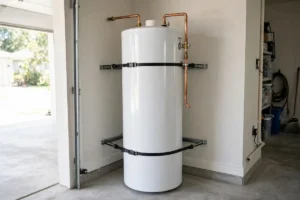
A repipe touches the water heater connections and the main supply entry. If the water heater is old, a repipe is a natural moment to assess it, though replacing it is a separate scope. The main shutoff, pressure regulator, and any filtration or softening equipment at the entry point also factor into the plan, since the new system connects through them. For context on heater replacement costs, see water heater replacement cost factors in Fairfield.
Cost Factor 6: Permits and Inspections
A whole-house repipe generally requires permits and inspections, and those requirements apply to either material. Permit fees, inspection visits, and any required pressure testing at completion are part of the project cost. Confirming the local requirements before work begins avoids delays and rework.
Which Material Fits Which Home
- PEX often fits when the priority is lower total cost, faster installation, fewer wall openings, and a manifold layout with individual fixture shutoffs.
- Copper often fits when the home has exposed runs, outdoor supply lines, a preference for a traditional material, or a plan to keep the system easily serviceable by any plumber with standard tools.
- A mixed approach fits when some runs are exposed or outdoor (copper) while interior runs benefit from flexibility (PEX). Mixed systems are common and legitimate when each material is used where it performs best.
There is no universally right answer. The right material is the one that fits the home’s layout, the owner’s priorities, and the budget, and a plumber who has walked the home can recommend based on those specifics rather than a general rule. Full details on the service are on the repiping service page.
Planning a Repipe
Before committing, a homeowner can prepare by listing every fixture, noting any history of leaks or pressure problems, and thinking about future plans such as a bathroom addition, which might justify upsizing certain runs now. A site visit and an estimate that breaks out material, labor, permits, and restoration separately makes comparing PEX and copper honest, because the comparison then rests on the actual home rather than on generic claims about either material.
Call a Fairfield Plumber About a Whole-House Repipe
If your Fairfield home needs a repipe and you want to compare PEX and copper for your situation, call +1 707 574 9715. We are available 09:00 to 17:00 daily. A plumber can assess your current system, explain the cost factors for your home, and help you choose the material that fits. Call +1 707 574 9715 today.