
Why Is My Water Bill So High? Hidden Leaks in Fairfield Homes
A high bill is often the first sign of a leak you cannot see
Most leaks announce themselves with a puddle, a stain, or a drip you can hear at night. Hidden leaks do none of that. They run inside walls, under floors, or beneath the slab, and the first sign is often a water bill that climbs for no clear reason. No new appliance, no houseguests, no change in habits, yet the bill keeps going up.
That pattern deserves attention, not dismissal. A small hidden leak wastes water every hour of every day, and over weeks it can do real damage to floors, walls, and foundations while the bill quietly grows. The good news is that hidden leaks leave clues, and a few simple checks can tell you whether you have one before it becomes a major repair. This guide covers those checks, the places hidden leaks hide, and what to do next.
First, rule out the simple explanations
Before assuming a leak, check the ordinary reasons a bill can rise. A toilet that runs on and off, a dripping outdoor faucet, a new irrigation schedule, or a houseguest can all move the number. If none of those apply and the bill has risen across two billing periods, a hidden leak moves to the top of the list.
The single most useful test is the water meter test, and it costs nothing.
- Find your water meter, usually near the street or sidewalk, and note the reading.
- Turn off every tap, appliance, and irrigation zone in the home, and make sure nobody uses water during the test.
- Wait at least an hour, longer if you can, then read the meter again.
- If the reading has moved, water is flowing somewhere while everything is off, which means a leak.
A moving meter does not tell you where the leak is, but it confirms that one exists. That confirmation is what turns a vague worry into a clear next step.
Where hidden leaks hide
Hidden leaks are not random. They cluster in a handful of places, and knowing those places helps you spot the secondary signs.
Toilets. A toilet can leak silently from the tank into the bowl without ever showing water on the floor. The classic check is food coloring: put a few drops in the tank, wait without flushing, and see whether color appears in the bowl. If it does, the flapper is not sealing, and water is running constantly, which adds up fast. This is a cheap fix, and it is the first thing to check.
Under the slab. A leak in a water line beneath the concrete foundation is called a slab leak, and it is the most destructive kind of hidden leak. The water spreads under the foundation, erodes soil, and feeds mold, all out of sight. Clues include warm or hot spots on the floor, the sound of running water when everything is off, cracks in flooring or baseboards, and a musty smell that does not go away.
Inside walls. A slow leak at a joint or fitting inside a wall may show up as a faint stain, bubbling paint, warped baseboards, or a musty odor in one room. By the time a stain appears, the leak has usually been running for a while, so even a small mark deserves a closer look.
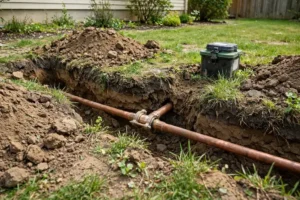
The service line. The line that runs from the street to your home can leak underground, and the signs show up in the yard: an unusually green or soggy patch, a soft spot in the lawn, or water pooling where it should not. A service line leak also shows up on the meter test, because the meter sits before the leak.
Irrigation and outdoor lines. A cracked irrigation pipe or a leaking outdoor faucet can waste large amounts of water, especially if the irrigation runs on a timer while you are away or asleep. Check valve boxes, look for soggy zones, and watch for areas of lawn that stay greener than the rest.
Signs that point to a hidden leak
No single sign proves a leak, but several together make a strong case. Watch for these.
- A water bill that rises across two or more billing periods without a change in use.
- A water meter that moves while every fixture is off.
- Warm or hot spots on floors, especially over concrete slab areas.
- The sound of running or hissing water when no tap is open.
- Musty smells, mold spots, or warped flooring in one area of the home.
- A patch of lawn that is greener, softer, or wetter than the surrounding grass.
- Low water pressure that appears gradually, or only on one side of the home.
- A toilet that refills on its own, sometimes called ghost flushing.
If you notice two or more of these, do the meter test, then move to the next step rather than waiting for the next bill. Hidden leaks do not fix themselves, and the damage they cause grows with time.
What to do when you suspect a hidden leak
Start with the checks you can do safely. Run the meter test. Check every toilet with the food coloring test. Walk the yard and look for soggy or unusually green patches. Listen at night, when the house is quiet, for running water behind walls or under floors. Note what you find, including which rooms or areas show signs, because that information helps a plumber narrow the search.
Do not ignore a leak because it seems small. A slow leak inside a wall or under a slab can soak framing, subfloor, and soil for weeks before it shows, and the repair grows with the damage. If the meter test confirms flow with everything off, or if you see signs of a slab leak such as warm spots or floor cracks, call a plumber rather than waiting.
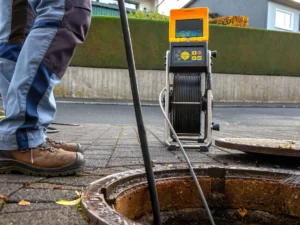
What a professional leak detection visit involves is worth knowing in advance. It usually starts with your observations and the meter test, then moves to targeted checks: acoustic listening equipment that amplifies the sound of escaping water, thermal imaging that shows temperature differences in floors and walls, pressure testing that isolates individual lines, and camera inspection where drain lines are involved. The goal is to pinpoint the leak before opening anything, so the repair stays as small as possible.
Why Fairfield homes are prone to hidden leaks
Fairfield adds two local factors. The first is expansive clay soil, which swells when wet and shrinks when dry. That seasonal movement stresses buried pipes and joints, especially under slabs, and can open small leaks at connection points. The second is hard water, which leaves mineral scale inside pipes and on fittings. Scale narrows lines, stresses joints, and wears out seals such as toilet flappers faster than soft water would.
Older homes face both factors at once. Original supply lines from decades ago, combined with years of soil movement and mineral buildup, are more likely to develop the slow joint leaks that stay hidden the longest. That does not mean every older home has a leak, but it does mean a rising bill in an older home deserves a prompt check rather than a wait and see approach.
When a hidden leak becomes urgent
Most hidden leaks are not emergencies in the first hour, but some signs call for faster action. Treat the situation as urgent if you see active water damage spreading, such as a growing stain, buckling flooring, or water pooling indoors. Treat it as urgent if the meter is spinning fast, which points to a large break rather than a slow seep. And treat it as urgent if you smell gas or suspect a gas line problem, in which case you should leave the area and call the gas utility first, not a plumber.
For a slow, confirmed leak without active damage, the right move is still prompt, just not panicked: schedule a detection visit soon, keep an eye on the meter, and avoid covering up stains or odors, since hiding the evidence only makes the diagnosis harder.
A quick checklist before you call
If your bill has climbed and you suspect a hidden leak, this short checklist covers the useful first steps.
- Compare the last two bills and note how much the usage has risen.
- Run the meter test with everything in the home turned off.
- Check every toilet with the food coloring test.
- Walk the yard for soggy patches, soft spots, or lawn areas that stay greener than the rest.
- Listen at night for running or hissing water behind walls or under floors.
- Note any warm floor spots, musty smells, stains, or warped baseboards, and which rooms they are in.
Bring that list to the call. It helps the plumber narrow the search quickly, and it turns a vague worry into a clear, checkable problem.
Call for a free estimate
A high water bill with no visible leak is a clue, not a mystery, and it usually has a findable cause. Call +1 707 574 9715 for a free estimate on slab leak repair and leak detection in Fairfield, CA, during business hours (09:00-17:00 daily). We will help you confirm the leak, pinpoint its location, and explain the repair options honestly.
If a hidden leak ever turns into an open emergency, such as a burst pipe flooding a room, read What to Do When a Pipe Bursts: First 30 Minutes (Fairfield Guide) so you know the first steps before help arrives.