Why Do My Drains Keep Backing Up? Repeat Clog Causes in Fairfield Homes
A drain that clogs once is an annoyance. A drain that clogs every few weeks is a message. Something in the line, in the way the drain is used, or in the plumbing itself is creating the same blockage over and over. Clearing the symptom without finding that cause is why the problem keeps returning.
This guide walks through the most common reasons drains back up repeatedly in Fairfield homes, how to tell them apart, and what actually breaks the cycle. The goal is not a quick fix. It is a drain that stays clear.
First, Notice the Pattern
Before anything else, pay attention to how the backup behaves. The pattern points to the cause more reliably than any single symptom.
- One fixture only: a single slow sink or tub usually means a local clog in that fixture’s trap or branch line.
- Several fixtures at once: backups in a tub and a toilet, or a kitchen sink and a floor drain, usually point further down the main line.
- Same fixture, same interval: a drain that clogs every month or so often has a partial obstruction that never fully clears.
- After heavy water use: backups that appear during laundry or showers can signal a line that cannot handle full flow.
- Seasonal changes: backups that worsen in certain months may relate to tree root growth or shifting soil around older lines.
Writing down when backups happen, which fixtures are involved, and what was running at the time gives a plumber a head start and helps you avoid paying for the same guess twice.
Cause 1: Grease and Soap Buildup That Never Fully Clears
Kitchen drains are the classic repeat offenders. Cooking grease poured down a sink cools and hardens inside the pipe. Dish soap, food particles, and coffee grounds stick to that layer. Over time the inside diameter of the pipe shrinks, and water that once flowed freely starts pooling.
The trap with grease buildup is that a basic clearing often punches a small hole through the blockage rather than removing it. Flow returns for a few weeks, then the narrowed passage clogs again. If your kitchen drain slows gradually, then suddenly backs up, then repeats that cycle, buildup on the pipe walls is a strong suspect.
What helps: stop putting grease down the drain entirely, wipe pans before washing, and use a sink strainer to catch food. For existing buildup, a thorough cleaning that scours the pipe walls, such as hydro jetting, addresses the layer itself rather than poking a hole through it. A camera inspection can confirm whether the walls are coated or whether something else is going on.
Cause 2: Hair, Soap Scum, and Bathroom Drain Deposits
Bathroom drains fail differently. Hair wraps around the drain stopper and trap, soap scum binds it into a mat, and the mat catches everything else that goes down. Tub and shower drains are especially prone because they handle a high volume of hair and soap every day.
If a tub drain backs up but the toilet and sinks in the same bathroom work fine, the problem is almost certainly local to that drain. Removing the stopper and clearing visible hair helps, but a mat deeper in the trap will keep regrowing. A drain screen that catches hair before it enters the pipe is one of the cheapest repeat-clog preventers available.
Cause 3: A Partial Obstruction Deep in the Line
Some repeat clogs come from an object or deposit that sits partway down a line and never moves. Examples include a wad of wipes that did not dissolve, a section of pipe with mineral scale, or a small item dropped down a drain months ago.
The signature of a partial obstruction is a drain that works fine at low flow and backs up at high flow. A bathroom sink may drain normally for handwashing but gurgle when the tub empties. That happens because the partial blockage passes small volumes but cannot keep up with a full tub of water.
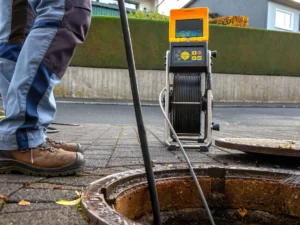
Standard plunging rarely solves this, because the obstruction is beyond the reach of a plunger and a drain snake may slip past it without removing it. This is where a camera inspection earns its keep: it shows exactly what is in the line and where, so the fix targets the real object instead of guessing.
Cause 4: Tree Roots in Older Sewer Lines
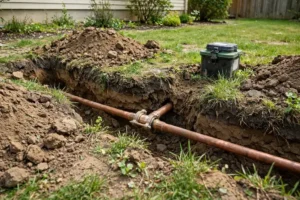
Roots seek moisture, and a tiny crack or loose joint in a sewer line is an open invitation. Fine root hairs enter the line, grow into a mesh, and catch paper and waste. The drain slows, clears after a cleaning, then slows again as roots regrow.
Root intrusions tend to follow a seasonal rhythm and to affect the lowest drains in the home first, such as a basement or ground-floor tub. If your home has mature trees near the sewer line path and the same drain backs up on a schedule, roots belong high on the suspect list. Root cutting clears the immediate blockage, but the entry point remains, so recurrence is expected unless the damaged section is addressed.
Cause 5: Sagging, Bellied, or Damaged Pipe Sections
A pipe that sags creates a low spot where water and solids settle instead of flowing onward. This is sometimes called a belly. Each time the line is used, a little more settles in the low spot until flow is blocked. Clearing removes the settled material, but the sag remains, so the cycle restarts.
Other structural problems cause the same loop: a cracked section that catches debris, a joint that has shifted out of alignment, or a line damaged by ground movement. These are not usage problems, and no change in household habits will fix them. A camera inspection is the reliable way to confirm a structural cause, because it shows the pipe’s actual condition rather than its symptoms.
Cause 6: The Wrong Things Going Down the Drain
Some repeat clogs are simply a household habit problem. Items that should never enter a drain include:
- Flushable wipes, which do not break down the way toilet paper does
- Cotton swabs, dental floss, and feminine hygiene products
- Cooking grease, oil, and fat
- Coffee grounds, eggshells, and fibrous food waste in a garbage disposal
- Paper towels and thick cleaning cloths
If backups started after a household change, such as a new disposal, a new baby, or a new cleaning routine, the new habit is worth examining first. Changing what goes down the drain is free, and it often ends a repeat-clog cycle on its own.
Cause 7: A Main Line Problem Affecting the Whole Home
When several fixtures back up together, especially the lowest ones, the main sewer line is the likely location. Main line causes include heavy root intrusion, a collapsed section, or a buildup that has narrowed the whole line. Gurgling in one fixture when another drains is another classic sign.
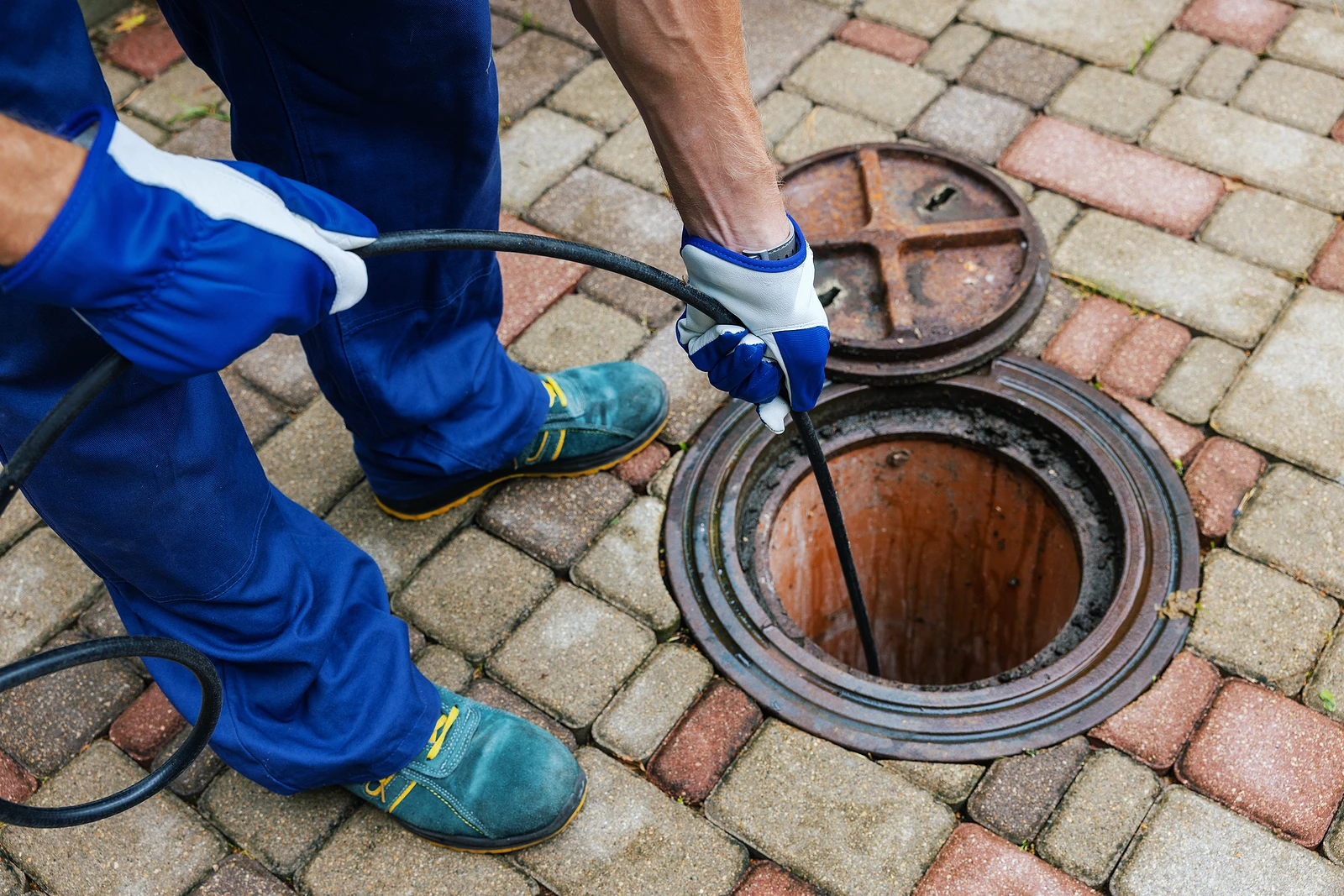
Main line problems do not resolve with fixture-level fixes. Repeatedly clearing one drain while the main line stays blocked only moves the backup to the next lowest fixture. A whole-home pattern calls for a main line inspection and a cleaning method matched to the full line, which is why professional drain cleaning for a main line differs from clearing a single sink.
What to Do When a Drain Backs Up Again
Follow these steps in order:
- Stop running water into the affected fixtures to avoid overflow and water damage.
- Note the pattern: which fixtures, how fast it backed up, and whether it has happened before.
- Try a plunger on a single-fixture clog, with a proper seal and steady pressure.
- Skip chemical drain cleaners on repeat clogs. They rarely clear a structural or root problem, and they can damage pipes and make later work harder.
- Call for an inspection if the same drain has backed up more than twice, if multiple fixtures are involved, or if you see sewage. A camera inspection turns guessing into a diagnosis.
Breaking the Cycle for Good
The difference between a drain that clogs once and a drain that clogs forever is diagnosis. A one-time clog from a single mistake needs only a clearing. A repeat clog needs an answer to one question: what is still in the line, or wrong with the line, after the water starts flowing again?
That answer usually comes from matching the pattern to the cause, confirming with a camera when the pattern points deeper than a single fixture, and then choosing the fix that matches the cause: a wall-scouring cleaning for buildup, root management for root intrusion, or a repair for a damaged section. Treating the cause once beats clearing the symptom ten times.
Call a Fairfield Plumber About Repeat Drain Backups
If your drains keep backing up in your Fairfield home, call +1 707 574 9715. We are available 09:00 to 17:00 daily. A plumber can inspect the line, find the cause behind the repeat backups, and recommend the fix that keeps your drains clear. Call +1 707 574 9715 today.